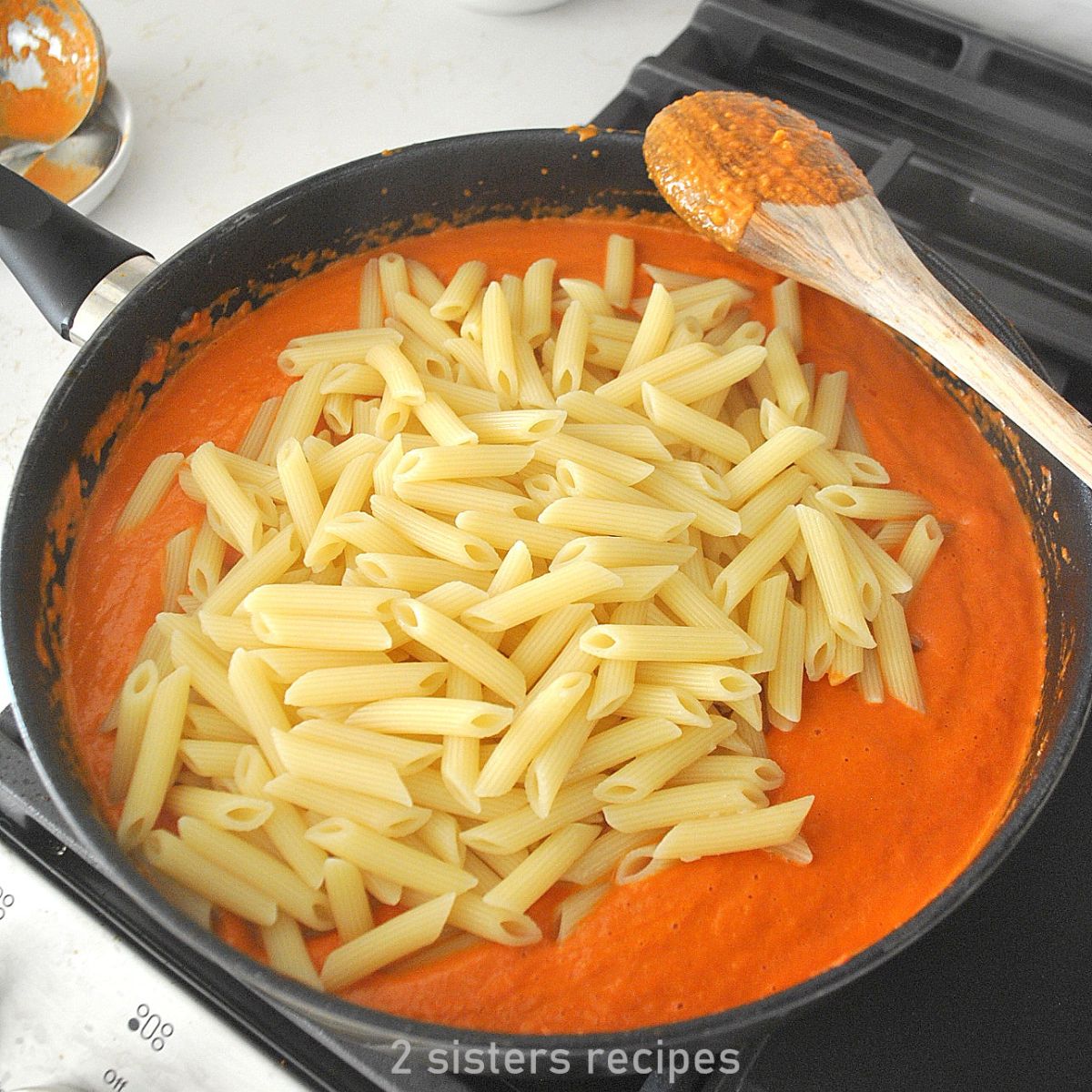
The Enduring Allure of Vodka Sauce: A Culinary Classic
Few dishes command the same level of comfort and sophistication as vodka sauce. This iconic Italian-American creation, with its signature delicate pink hue and impossibly silky texture, has graced countless dinner tables and restaurant menus for decades. Far from a mere novelty, vodka sauce offers a deeply satisfying flavor profile that transforms a simple pasta dish into an unforgettable meal. But what is it about this seemingly simple concoction that makes it so beloved, and more importantly, what secret power does a splash of vodka truly hold in elevating its taste and texture?
Originating in the vibrant Italian-American culinary scene of 1970s New York City—with some crediting Orsini restaurant as its birthplace—penne alla vodka quickly became a staple. It struck a perfect balance between familiar comfort and gourmet elegance, making it a go-to dish for everything from a cozy Tuesday night dinner to a festive gathering with guests. The beauty of vodka sauce lies in its robust yet harmonious blend of rich tomatoes, aromatic garlic, often savory prosciutto, and luxurious cream. But it's that unexpected addition of vodka that truly sets it apart, lending a depth and smoothness that's hard to replicate.
Beyond the Buzz: Unpacking Vodka's Role in Flavor & Texture
For many, the idea of adding a spirit like vodka to a pasta sauce might seem peculiar, conjuring images of boozy culinary experiments. However, in the realm of vodka sauce, the spirit plays a profoundly important and scientifically sound role that has nothing to do with intoxication and everything to do with enhancing flavor and perfecting texture. It’s the invisible culinary hero, working behind the scenes to elevate every bite.
The Science of Silky Smoothness: Emulsification
One of the most immediate and noticeable benefits of adding vodka to the sauce is its impact on texture. A classic tomato-cream sauce can sometimes be prone to separation, with the fats from the cream wanting to rebel against the acidity of the tomatoes. This can result in a slightly grainy or split appearance, detracting from the overall appeal.
This is where vodka steps in as a master emulsifier. Alcohol acts as a bridge, helping to bind the fat molecules from the cream with the water-based and acidic components of the tomatoes. It creates a stable, homogenous mixture that remains beautifully blended, even as it simmers. The result is the hallmark of a great vodka sauce: an incredibly smooth, velvety, and luxurious texture that coats every strand of pasta perfectly. Without the vodka, achieving that signature restaurant-quality silkiness becomes significantly more challenging, often requiring more fat or thickeners.
Unlocking Deeper Flavors: The Power of Solvent Extraction
While emulsification handles the texture, vodka's most significant contribution to vodka sauce is arguably its ability to unlock and intensify flavor. Think of alcohol as a super-solvent in the kitchen. Tomatoes, the heart of any great pasta sauce, contain a vast array of flavor compounds. Some of these compounds are water-soluble, others are fat-soluble, and some are only partially soluble in either.
Alcohol, being neither purely fat nor purely water, possesses a unique ability to dissolve a wider spectrum of these flavor compounds. When vodka is added to the simmering sauce, it extracts nuances from the tomatoes that water or fat alone simply can't reach. This process pulls out deeper, more complex aromatic notes and rich, sweet undertones that might otherwise remain dormant. The alcohol essentially acts as a flavor magnifier, creating a more rounded, robust, and intensely satisfying tomato taste without introducing any discernable boozy flavor.
The Myth of the "Boozy" Sauce
Rest assured, your dinner won't turn into cocktail hour. A common concern about using vodka in cooking is the lingering alcohol content. However, during the simmering process, the vast majority of the alcohol evaporates. What remains isn't a boozy taste, but rather a subtle depth, brightness, and enhanced richness that leaves a lasting impression. The goal isn't to impart a taste of vodka, but to leverage its unique properties to create a superior culinary experience. It leaves behind complexity and body, not the impression of a martini.
Crafting the Perfect Vodka Sauce: Tips for Success
Achieving that restaurant-quality vodka sauce at home is surprisingly straightforward, especially when you understand the foundational principles and choose your ingredients wisely.
Choosing Your Ingredients Wisely
- Tomatoes: Start with high-quality crushed tomatoes or whole peeled tomatoes that you can crush yourself. San Marzano tomatoes are often praised for their balanced sweetness and acidity.
- Aromatics: Fresh garlic is non-negotiable. Many recipes also benefit from a finely diced onion or shallot for an additional layer of flavor.
- Cream: Heavy cream is key for that luxurious texture. Don't skimp here; lower-fat alternatives won't deliver the same richness or stability.
- Vodka: You don't need a top-shelf bottle, but avoid anything flavored. A standard, unflavored vodka works perfectly. The quality of vodka does make a slight difference in the "cleanliness" of the flavor extraction, but a mid-range brand is more than adequate.
- Pancetta or Prosciutto (Optional): For an added layer of salty, savory depth, crisping up some pancetta or prosciutto at the beginning of the process provides a wonderful foundation of flavor.
- Cheese: A finishing touch of freshly grated Parmesan or Pecorino Romano adds a salty, umami kick that brings everything together.
The Magic of Homemade: Why Ditch the Jar?
While store-bought jarred vodka sauce offers convenience, it simply cannot compare to the freshness, vibrant flavor, and superior texture of a homemade version. Commercial sauces often contain unnecessary preservatives, added sugars, and artificial flavors to extend shelf life, sacrificing quality and health benefits in the process.
Making your own allows you to control the quality of every ingredient, adjust seasonings to your preference, and truly savor the authentic taste. The freshness of homemade sauce is unparalleled, offering a bright tomato flavor, subtle warmth, and that undeniable silky texture that will make you a convert for life. For a deeper dive into why homemade trumps store-bought, check out our article on Homemade Vodka Sauce: Delicious, Healthy & Better Than Jars.
Versatility on Your Plate
While penne alla vodka is the quintessential pairing, the adaptability of this sauce is one of its greatest strengths. It's truly a versatile masterpiece that can elevate a wide array of dishes:
- Pasta Perfection: Beyond penne, try it with rigatoni, fettuccine, gnocchi, or even delicate lobster ravioli.
- Protein Power: Draped over breaded chicken cutlets or eggplant slices creates an elevated twist on classic Parmigiana dishes.
- Beyond the Main Course: Use it as a luxurious dip for crusty bread, a rich base for baked ziti, or even as a flavorful spread for gourmet sandwiches.
Ready to try making your own? Get started with our Easy Homemade Vodka Sauce: Restaurant Quality in 20 Minutes and discover just how simple it is to achieve culinary excellence.
What About Substitutions for Vodka?
For those who prefer to avoid alcohol entirely, substitutes for vodka do exist, but it's important to understand the trade-offs. You can swap in an equal amount of chicken or vegetable broth. While this will provide liquid and a base, the sauce will unfortunately lose some of its signature smoothness and the deep flavor complexity that vodka uniquely provides. The emulsification will not be as stable, and the full spectrum of tomato flavors won't be extracted.
Another option is a splash of white wine. White wine does add its own layer of flavor and can aid in deglazing, but unlike the neutral profile of vodka, it introduces a distinct fruity or acidic note that changes the overall character of the sauce. It leans more towards a "wine bar" vibe than the classic creamy tomato perfection of a true vodka sauce.
Ultimately, while these substitutes can yield a delicious tomato-cream sauce, they won't replicate the specific textural and flavor enhancements that vodka brings to the table. For the authentic, deeply flavored, and silky smooth experience, vodka remains an irreplaceable ingredient.
The secret to silky vodka sauce isn't just a culinary urban legend; it's a testament to the intelligent use of ingredients and a deeper understanding of flavor chemistry. Vodka, far from being a mere novelty, performs crucial roles in both emulsifying the sauce for an unparalleled creamy texture and acting as a powerful solvent to extract and intensify the complex flavors of the tomatoes. The result is a beloved dish that is both comforting and sophisticated, simple to prepare yet deeply rewarding. So next time you crave that iconic pink sauce, remember the silent power of vodka working its magic, transforming simple pantry staples into a gourmet delight that truly shines.
